Research

Our anti-ageing research

Our studies during first 15 years (2007-2022), both in vitro and in vivo, gradually implied that AgeViva yeast product could contribute towards the normal function of the immune system, cognitive function, mental performance, the maintenance of normal bones and muscles, and the protection of cells from oxidative stress.

In 2023, more thorough and concentrated research began on the anti-aging effects of our AgeViva yeast at Sapienza University. During 2023, we also conducted a study in collaboration with Rejuve Biotech, USA, using an in vivo Drosophila model.

During 2023-2025, work has continued at Sapienza University with both in vitro and in vivo studies which was led by Prof. Rita Businaro and Prof. Daniela Uccelletti.

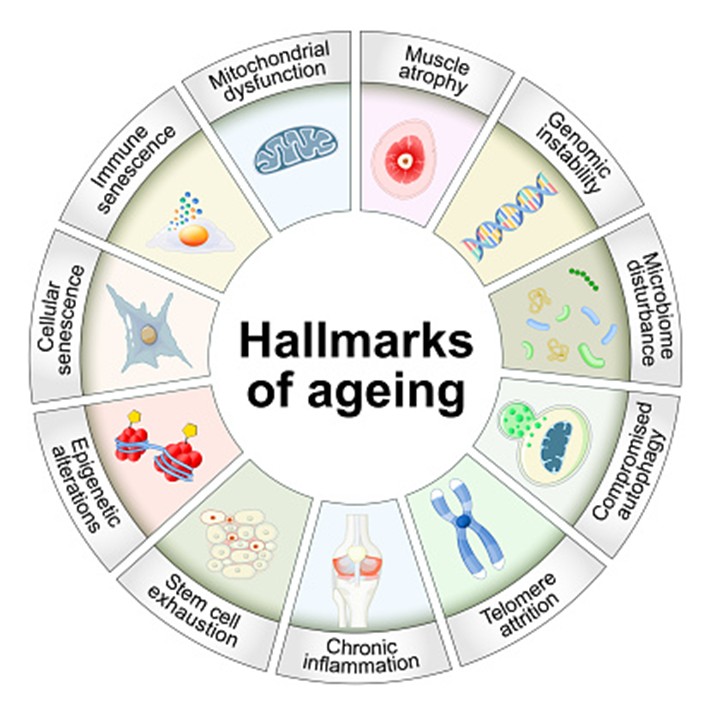
We have identified seven different hallmarks of ageing wherein our results have indicated effects:

The hallmarks where AgeViva have shown positive effects include:

Autophagy:

Cellular sanitization; recycles damaged proteins & organelles

Anti-inflammageing:

Suppresses chronic, age- accelerating faulty immune reactions

Antioxidant action:

Neutralizes ROS, prevents oxidative “rust” on cells

Neurotrophic:

Promotes BDNF/NGF, protecting/restoring neurons and synapses

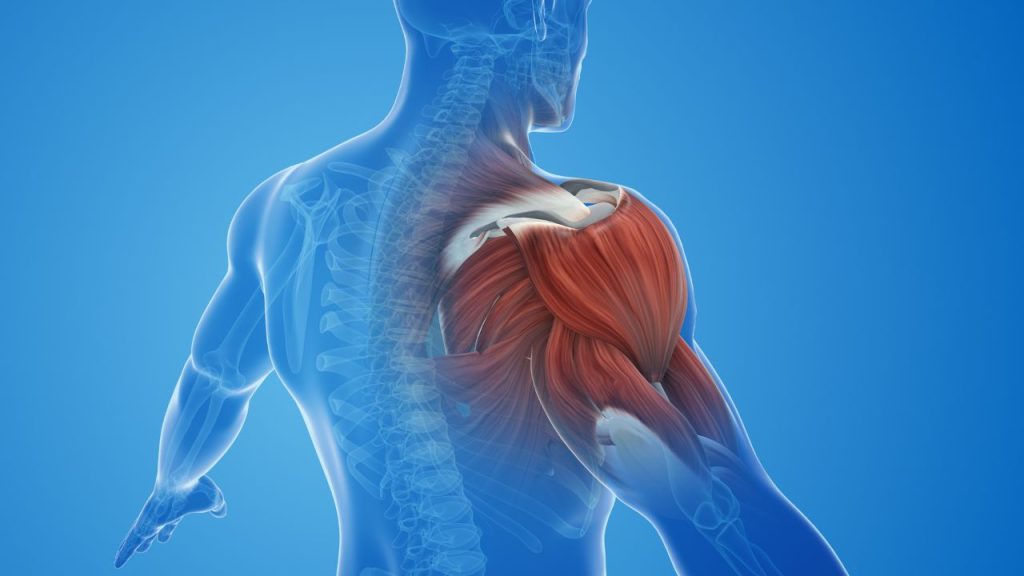
Muscle:

Preserves fibers, retards sarcopenia and weakness

Mitochondria:

Restores ageing energy factories, boosts ATP output

Survival:

31% increase in longevity shown in C. elegans

Seven hallmarks of ageing

Mitochondria:
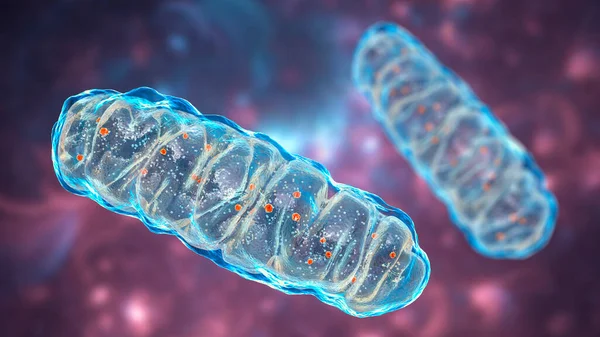
An inevitable aspect of the ageing process is the structural and functional deterioration of cellular mitochondria, the determinants of energy production and survival. 

AgeViva ensured mitochondrial efficacy and structural integrity through several mechanisms: activation of oxidative stress resistance pathways, induction of more active functional mitochondria, through the preservation of intestinal integrity during ageing, promotion of fusion effects and inhibition of fission, as well as through greater efficacy of oxygen consumption and ATP production during the growth spurt of young worms in contrast to preservation in aged worms. 

Finally, the upregulation of autophagy genes appears to provide a downstream response to mitochondrial remodelling and reduced metabolic activity that pertains to mitohormetic mechanisms.
Anti-inflammaging:
The function of the immune system changes with age, which can lead to low-grade chronic inflammation – a phenomenon known as inflammaging. 

AgeViva has been shown to help maintain normal immune system function, which is a key factor for long-term health.
Neurotrophins:
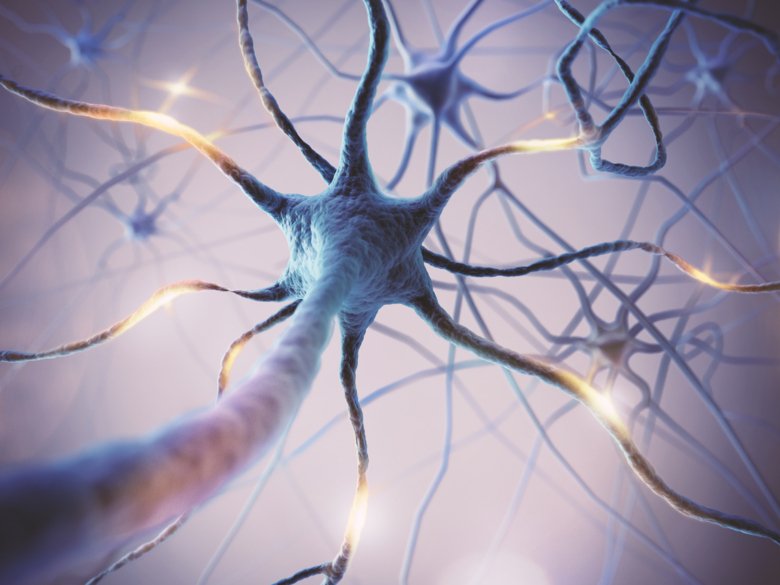
Deteriorations in the synthesis and release of neurotrophins, such as brain-derived neurotrophic factor (BDNF) and neurogrowth factor (NGF), are present during ageing. 

These trophic factors are necessity for growth, plasticity and recovery of cells and tissues, including muscles, vital organs and blood. AgeViva promotes the expression in vitro of BDNF and NGF.
Autophagy:
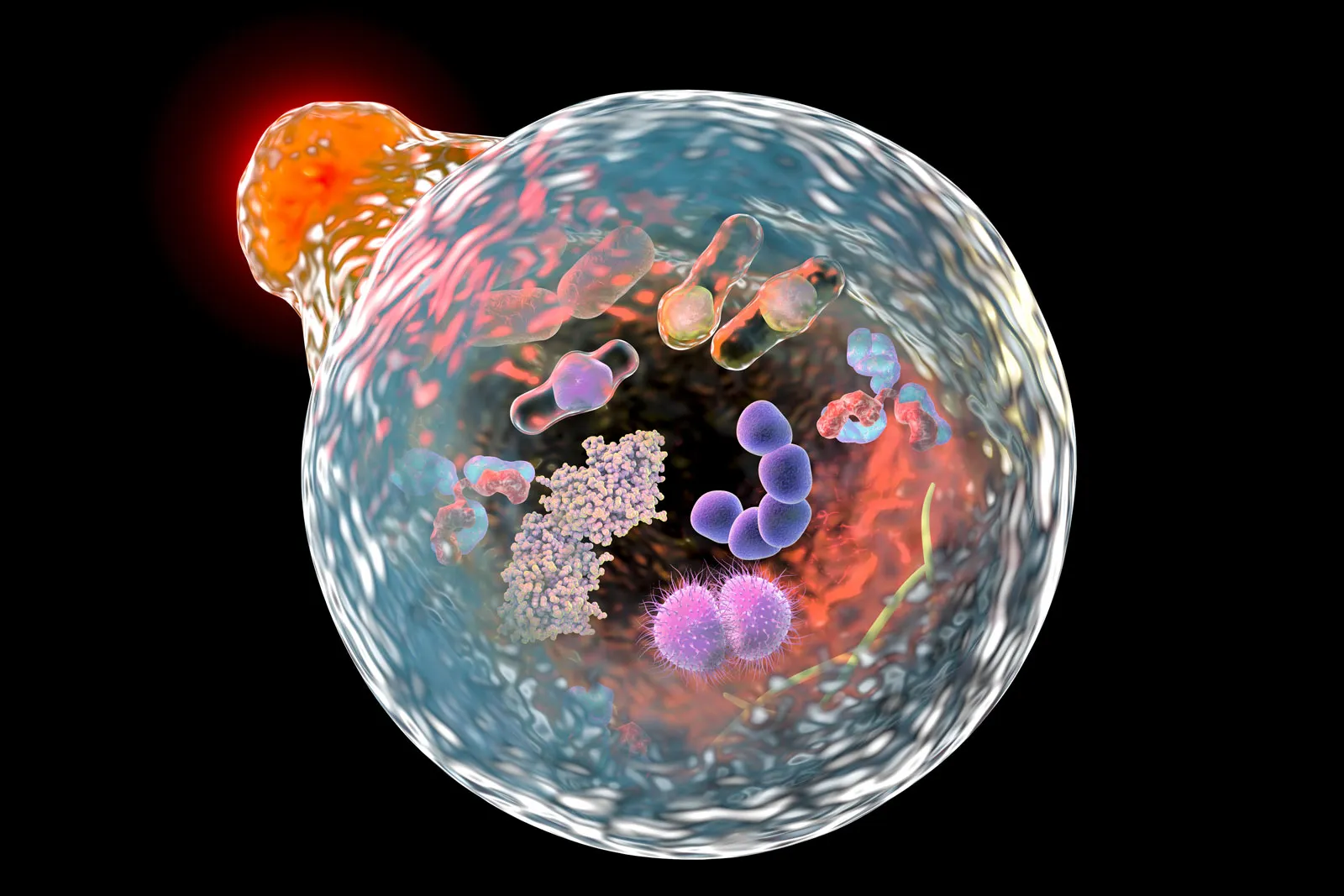
An intrinsic mechanism of the body to remove all cell debris (organelles, proteins, and cell membranes) when the energy resources to maintain these are not available and to avoid the possibility of inflammatory reactions. 

The process of autophagy removes expired proteins and other detritus in cells and through a series of reactions to derive the ‘building-stones’ for synthesis/formation of new cells. The deterioration of autophagy through ageing renders cellular functions ineffective thereby withholding the production of necessary enzymes for the synthesis of component building materials may proceed. Among older adults, disturbances of autophagy are more common. 

AgeViva was shown to promote autophagy, which is integral to the normal functioning of the immune system.
Antioxidant:
Reactive oxygen species (ROS) induce several damaging effects: damaging DNA, lipids and proteins, disturbing cellular signalling and homeostasis, inducing inflammation and cell death. 

When the ageing body becomes incapable of blocking the ROS inductions, or reparation of ROS-damage it reverts to a condition of oxidative stress. Antioxidant actions antagonise the toxicity within cell physiology associated with oxidative stress, which accelerates ageing. In three studies, AgeViva was shown to promote antioxidant action at several levels. 

Finally, among aged round worms through its effects on the mTOR pathway AgeViva mimics the effects of Rapamycin without causing the side-effects of that compound.
Maintenance of muscles:
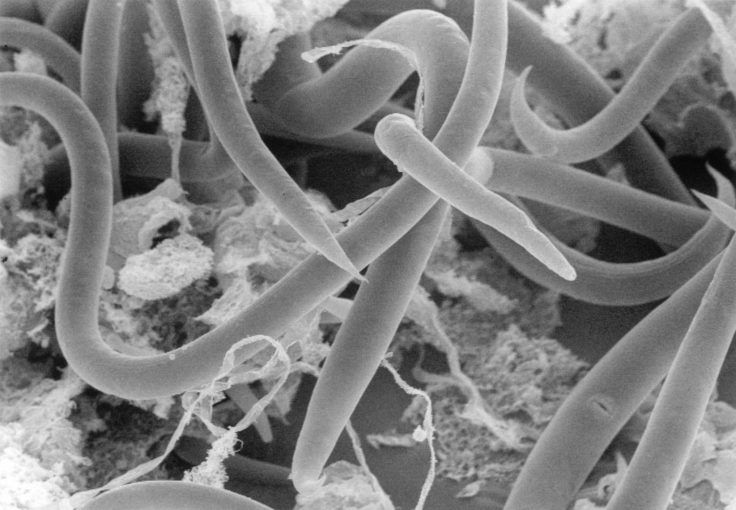
The roundworm, C. elegans, a free-living, transparent nematode about 1 mm in length that has a lifespan of 12-18 days is ideally suited for studying ageing. It has two basic muscular functions: pharyngeal contractions and locomotor capacity applicable for measuring muscle function. 

In well-replicated studies, it was observed AgeViva maintained normal muscle activity in both pharyngeal contractions and locomotor capacity, particularly the older animals.
Survival:
C. elegans has become the ‘organism-of-choice’ for studying longevity. 

Due to their limited lifespan, they have utilised for studies of survival following administrations of health-giving agents. 

AgeViva in several studies involving 250 roundworms was shown to extend C. elegans’ survival by 31 %.
Targeting the Biology of Ageing

AgeViva supports mitochondrial function, reduces oxidative stress, and promotes healthy immune regulation. Together, these actions aim to preserve homeostasis—the body’s capacity to keep internal systems in balance despite ageing and external stress.
Longevience AB
Org.nr:559500-0778
info@longevience.com